Good gardens feel calm and intentional, even when the planting is lush. That sense of harmony rarely happens by accident. One of the simplest ways to achieve it is by using the rule of 3, a timeless design principle that helps you group plants, balance forms, and guide the eye.
Whether you are refreshing a front foundation bed or planning an entire backyard, the rule of 3 can simplify decisions, reduce visual clutter, and make your space easier to maintain. Below, you will learn what the rule is, why it works, and how to apply it in Northern Virginia gardens of every size.
What the rule of 3 means in gardening
In garden design, the rule of 3 is the practice of arranging elements in threes or in other odd-numbered groupings. The most common use is planting in groups of three. You repeat each group to create rhythm and cohesion. Designers also use the rule to organize height, color, and texture into three tiers, creating clear structure.
Why it works:
- Odd numbers look more natural to the eye, so groups of three feel relaxed rather than rigid.
- Threes allow a focal point, a counterpoint, and a bridge between them, which adds depth.
- Repetition in threes makes a garden look unified without becoming monotonous.
How to use the rule of 3 in planting design
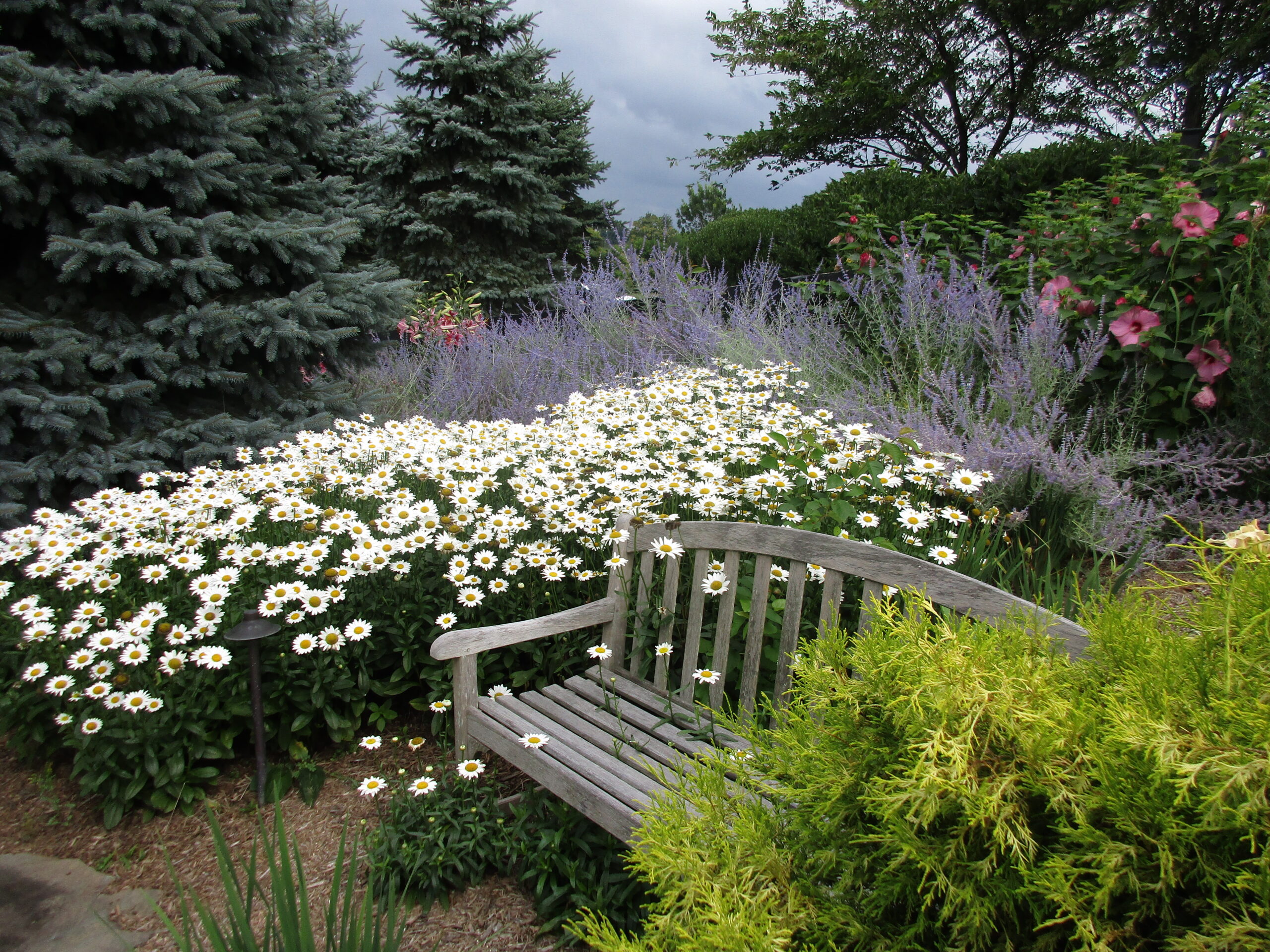
Think in set pieces rather than individual plants. Start with a focal plant, add two companions that complement it, and repeat that trio along a bed or pathway. Within each trio, vary at least one quality so the group has dimension.
A practical framework:
- Three heights: a tall anchor, a medium filler, and a low edging plant.
- Three textures: bold leaves, fine foliage, and a soft or airy form.
- Three colors: one dominant hue, one secondary, and a small accent.
Example for a sunny Northern Virginia border:
- Tall anchor: Panicum virgatum (switchgrass) for movement and structure.
- Medium filler: Salvia nemorosa for long bloom and pollinator appeal.
- Low edging: Nepeta (catmint) to knit the front of the bed.
Install each species in a cluster of three and repeat the sequence two or three times along the line of sight. The repeated pattern feels intentional, and maintenance stays straightforward because you are caring for larger masses rather than scattered one-offs.
Applying the rule of 3 to form, color, and season
The rule of 3 is bigger than plant counts. Use it to balance multiple design layers:
- Form: combine upright, mounded, and cascading shapes. This keeps beds from reading as flat.
- Color: pick one central color family, add a complementary tone, then a restrained accent. For instance, greens and purples with a measured splash of warm gold.
- Season: ensure interest across three seasons by selecting plants that take turns performing in spring, summer, and fall. Evergreens hold the winter role.
If your home has strong architectural lines, match your plant forms to them in threes. Pair an upright evergreen near an entry with two softer companions to relieve symmetry and add welcome.
Small spaces benefit most
In compact courtyards or townhome lots, the rule of 3 prevents overcrowding and decision fatigue. Choose three core materials or features and repeat them. For instance, one paving material, one metal accent, and one signature plant repeated in clusters. This keeps the space cohesive and versatile.
If you are exploring ideas for small-footprint properties, our team specializes in small garden design and other landscape designs for small areas. See examples and space-saving approaches in our small-yard gallery at kanelandscapes.com/small-yard-landscapes.
Where to place your trios
Start where the eye naturally lands:
- Entries and walks: anchor each side with a trio that repeats down the path.
- Patio edges: frame seating areas with three-part plant groups that soften hard lines.
- Corners: use a tall-medium-low trio to resolve awkward transitions between fences or structures.
For outdoor rooms, the rule of 3 pairs well with features such as seating walls, planters, and lighting. A set of three planters in graduating sizes can define a patio edge. If you are planning upgrades, our outdoor patio designers can help integrate planting rhythms with paving and structures at kanelandscapes.com/portfolio/structures.
Common mistakes to avoid
- Planting singles everywhere. One of everything creates visual noise and complicates care. Group in threes and repeat.
- Ignoring scale. Three dwarf shrubs will not balance a two-story facade. Adjust the trio’s height to the architecture.
- Overloading color. Limit yourself to three color roles, then repeat them throughout the garden.
- Forgetting maintenance. Select three plants with similar water and light needs so each trio thrives under a shared routine.
Maintenance made easier with threes
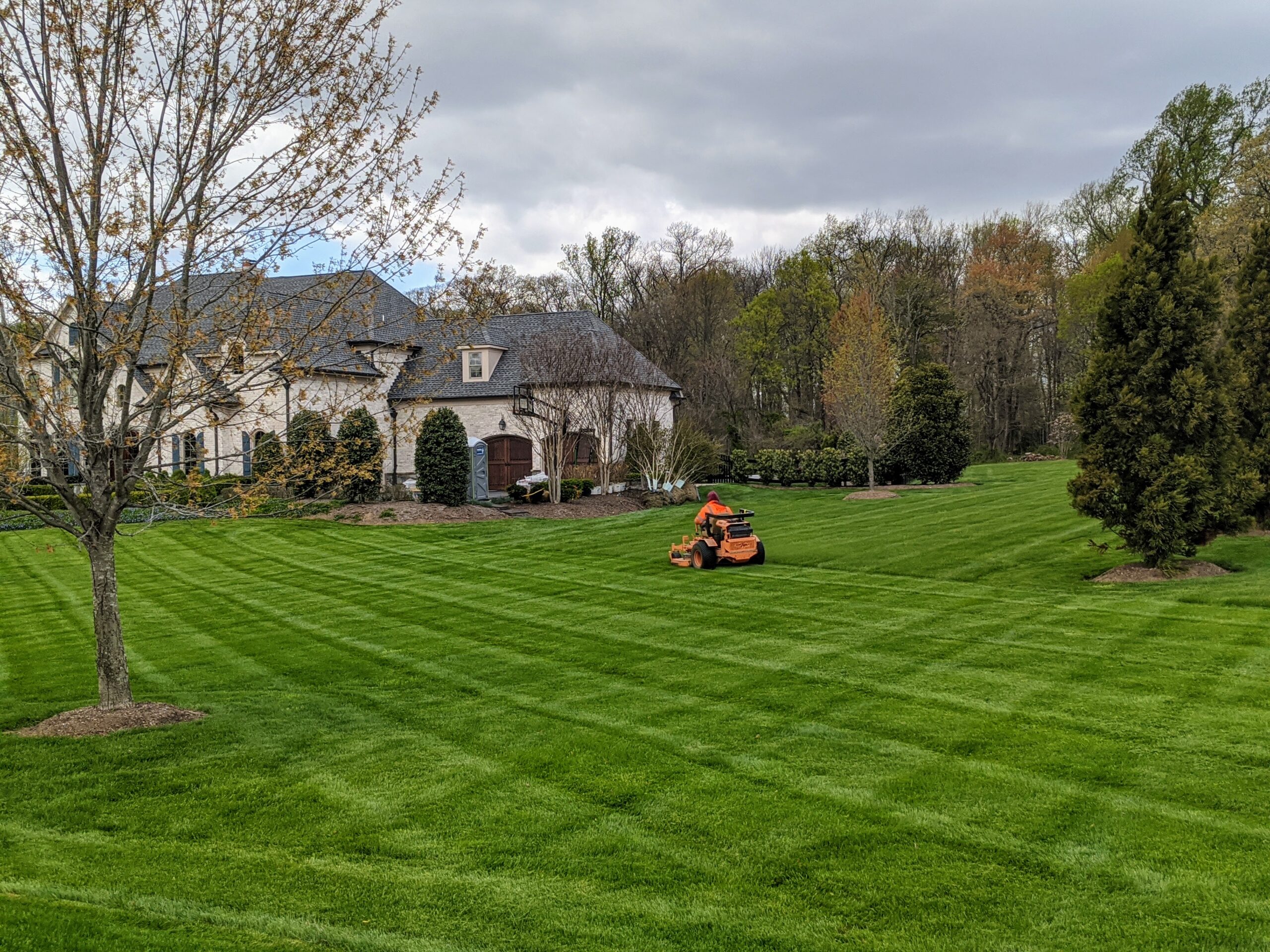
Massed plantings are simpler to edge, mulch, and prune. They also make irrigation more efficient because water needs are similar across each group. If you prefer a professional to keep your plantings healthy and tidy through the seasons, explore our landscape maintenance services tailored for Northern Virginia at kanelandscapes.com/landscape-maintenance.
Enhancing focal points with the rule of 3
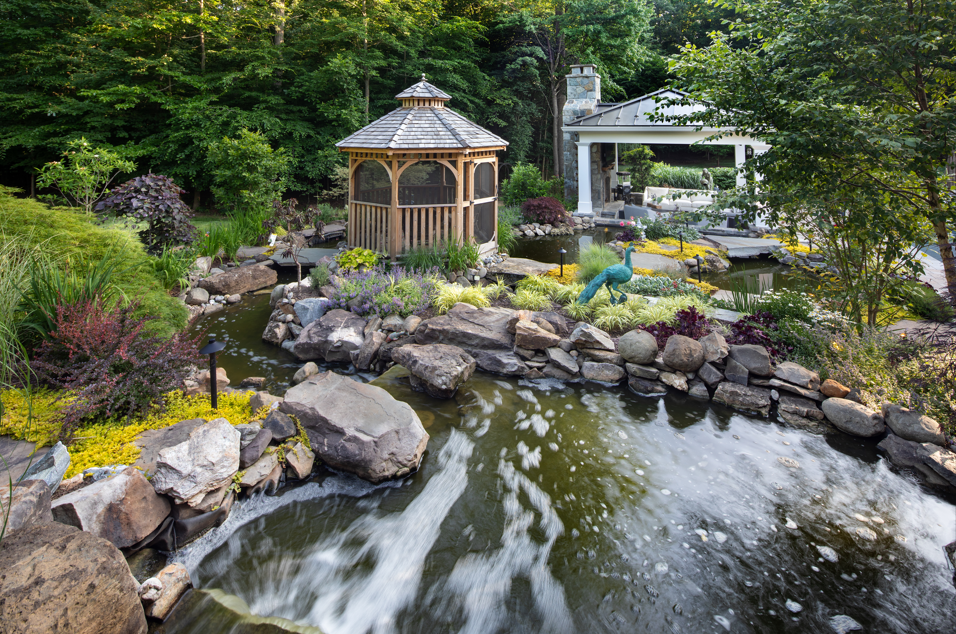
The principle works beautifully around features such as water and fire. A water bowl or small cascade becomes more compelling when flanked by two complementary plant groups. Similarly, a fire pit reads as intentional when repeated materials or plant trios echo its shape and color. If you are considering outdoor fire pits or a custom fountain, browse our portfolios to see how thoughtful repetition elevates these elements:
- Fire features: kanelandscapes.com/portfolio/fire
- Water features: kanelandscapes.com/portfolio/water-features
When to call a professional
Most homeowners can apply the rule of 3 with confidence, but sites with grading challenges, deer pressure, or complex microclimates benefit from expert planning. A licensed landscape architect can translate the principle into a cohesive master plan that fits your home and local regulations while coordinating materials, lighting, and long-term care. Learn how our Landscape Architect team approaches design and permitting at kanelandscapes.com/landscape-design.
FAQ
- What is the rule of 3 in gardening? It is the practice of grouping plants and other design elements in threes, or other odd numbers, then repeating those groups to create balance, rhythm, and a natural look. Designers also use three tiers of height, texture, and color to structure a bed.
- How many repeats do I need? In most beds, install each plant in clusters of three and repeat the cluster two or three times. In very small spaces, a single trio can be enough if it clearly establishes height and texture.
- What is the difference between a gardener and a horticulturist? A gardener tends, plants, prunes, and maintains landscapes. A horticulturist studies plant science, focusing on plant selection, cultivation, pests, soils, and propagation. In practice, many professionals combine both skill sets. At Kane Landscapes, our teams apply horticultural best practices during design, installation, and maintenance.
Summary and next step
The rule of 3 gives you a reliable framework to design with confidence. Group in threes, repeat with intention, and balance height, texture, and color across the seasons. The result is a cohesive garden that is easier to maintain and more enjoyable every day.
If you would like help translating this principle to your property, our team in Northern Virginia can create a custom plan, install it with care, and keep it thriving. Schedule a consultation to explore design options, small-space strategies, or ongoing maintenance that fits your goals.