Many homeowners approach landscape improvements one project at a time. While understandable, this method can result in fragmented decisions that ultimately limit a property’s potential.
A master landscape plan establishes a comprehensive vision for the entire property before construction begins.
Defining the Long-Term Vision
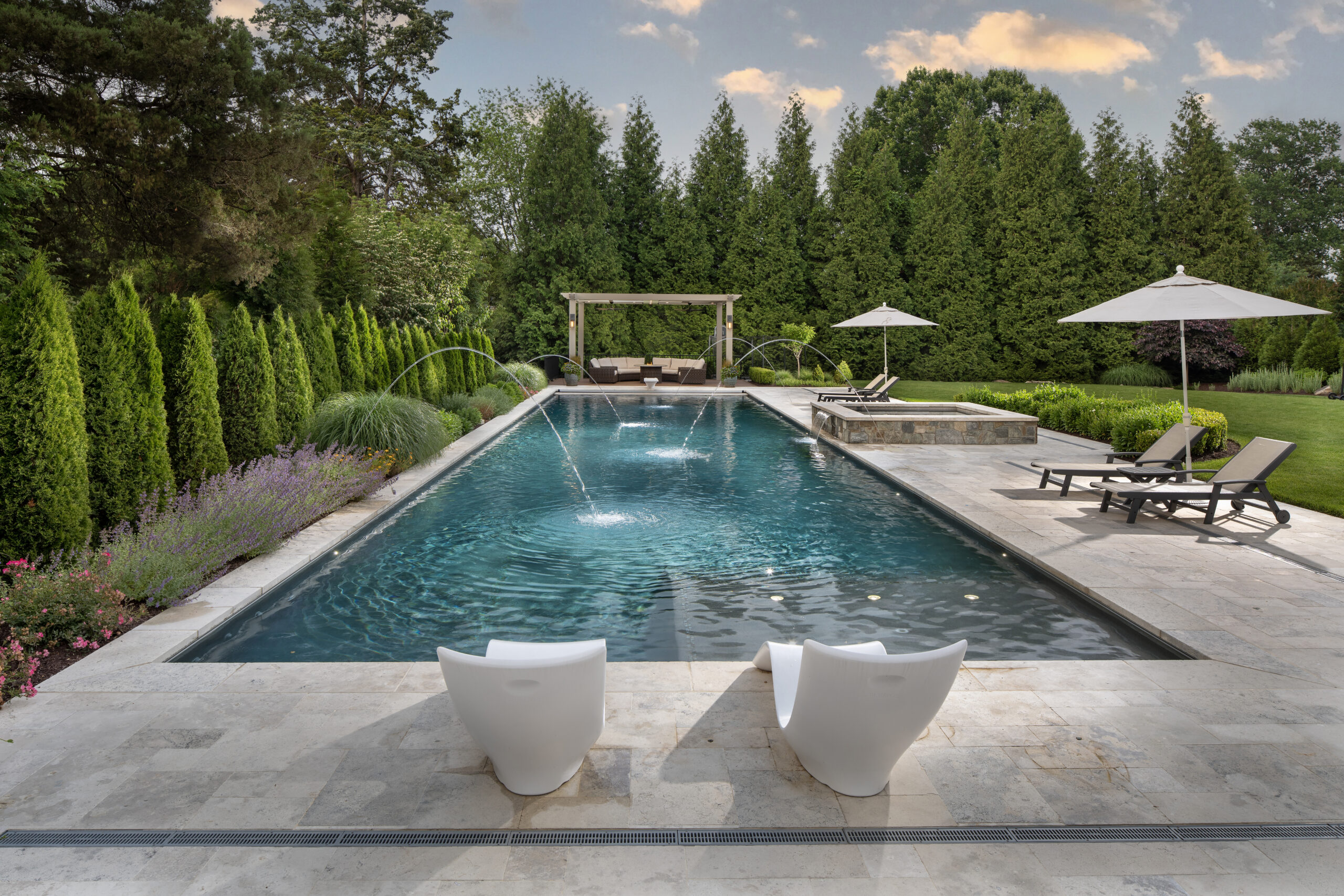
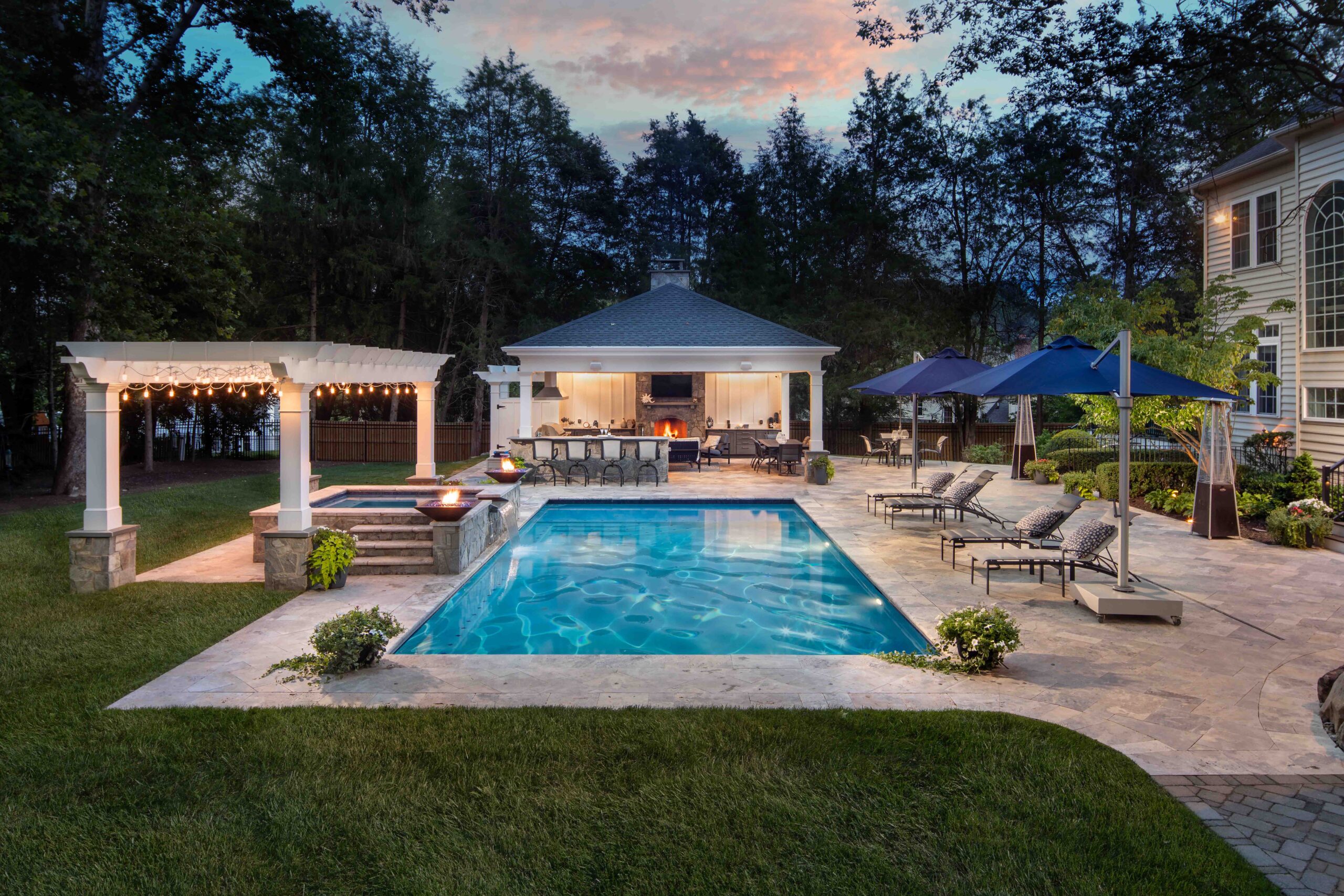
A master plan considers every aspect of the site, including:
- Arrival experience
- Outdoor entertaining
- Privacy needs
- Recreation areas
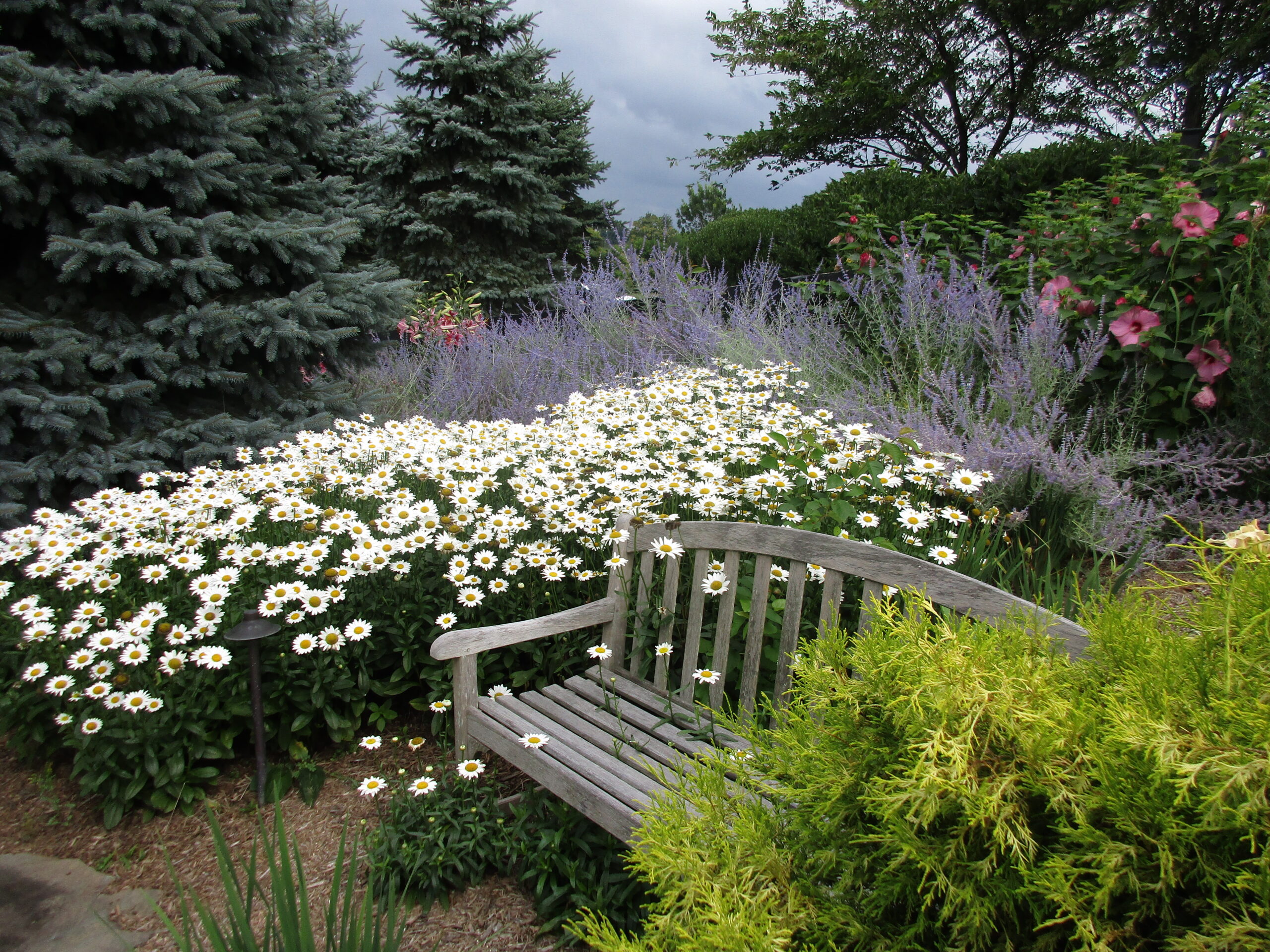
- Planting design
- Lighting
- Future expansions
By understanding how each component interacts, homeowners gain a roadmap for future improvements.
Avoiding Costly Revisions
Without a long-term strategy, a recently installed patio may need adjustment when a future pool is added. Drainage systems may require modification, and circulation routes may become inefficient.
Master planning helps eliminate unnecessary rework by coordinating decisions from the outset.
Prioritizing Investments
Not every project must be completed simultaneously. A master plan allows homeowners to implement improvements in phases while maintaining design continuity.
Each phase supports the overall vision and contributes toward a larger goal.
Improving Project Coordination
Landscape architecture involves numerous disciplines, including grading, drainage, construction, horticulture, lighting, and structural design.
A master plan ensures these disciplines work together rather than independently.
Enhancing Property Value
Properties with cohesive outdoor environments often feel more refined, functional, and intentional. This level of integration contributes to both homeowner satisfaction and long-term property appeal.
Conclusion
Master planning transforms individual projects into a unified outdoor experience. The result is a landscape that functions beautifully today while accommodating future aspirations.