If you have ever wondered whether you need a horticulturist, a landscaper, or a gardener for your yard, you are not alone. The terms are often used interchangeably in casual conversation, yet they refer to different
specialties. Understanding the distinctions will help you choose the right professional for design, plant health, installation, and ongoing care.
Quick definitions to set the stage
- Horticulture: The science and art of growing plants, including plant biology, soil science, plant propagation, pest and disease management, and the ecological relationships that keep a landscape healthy.
- Landscaping: The planning, design, installation, and maintenance of outdoor spaces. This includes hardscapes like patios and walkways, as well as plantings, irrigation, lighting, and drainage solutions.
- Gardening: The day-to-day practice of tending plants, such as weeding, pruning, planting annuals, and seasonal cleanup. Gardeners can be homeowners, hobbyists, or professionals, and may or may not have
formal training.
These areas overlap, but they are not the same. One focuses on plant science, another on the built environment and overall composition, and the third on hands-on care.
Is horticulture the same as landscaping?
No. Horticulture is a scientific discipline centered on plant health and cultivation. Landscaping is a broader field that brings together site planning, design, construction, and maintenance to shape how an outdoor space
looks and functions. A strong landscaping firm often relies on horticultural expertise to choose the right plants, set them in the right soil conditions, and maintain long-term vitality. When you hire a design-build team, you
benefit from both: creative design and sound horticultural practices that keep the design thriving.
In practical terms, a landscape designer or landscape architect develops the concept, layout, and materials for your property, then coordinates installation. Horticulturists guide plant selection based on sun, soil,
microclimate, and long-term growth habits, and they set standards for care. The best results come when these roles collaborate from the start.
What is the difference between horticulture and gardening?
Gardening is the application of tasks like planting, watering, pruning, mulching, and deadheading, often performed weekly or seasonally. Horticulture provides the research-backed framework that informs those tasks. For
example, a gardener might prune a hydrangea to shape it. A horticulturist determines the correct timing and technique based on whether it blooms on old or new wood, how pruning will influence next year’s flowers, and
how to avoid plant stress in hot weather.
Think of horticulture as the why and how behind plant care. Gardening is the doing. When your property includes specific plant challenges, complex soils, or recurring pest issues, horticultural insight prevents guesswork
and protects your investment.
What is the difference between a gardener and a horticulturist?
- Training: A gardener may have hands-on experience and practical know-how. A horticulturist typically has formal education in plant science, soil science, and related disciplines.
- Scope: A gardener focuses on routine upkeep and small improvements. A horticulturist diagnoses problems, prescribes cultural or biological controls, and designs plant care programs to optimize long-term
health. - Problem solving: Gardeners keep your beds tidy and beautiful. Horticulturists troubleshoot complex issues such as soil pH imbalance, root disease, nutrient deficiency, or invasive pest cycles.
On many properties you benefit from both. A horticulturist sets the plan, and a gardener or maintenance crew carries it out with precision.
Where landscaping fits, from concept to completion
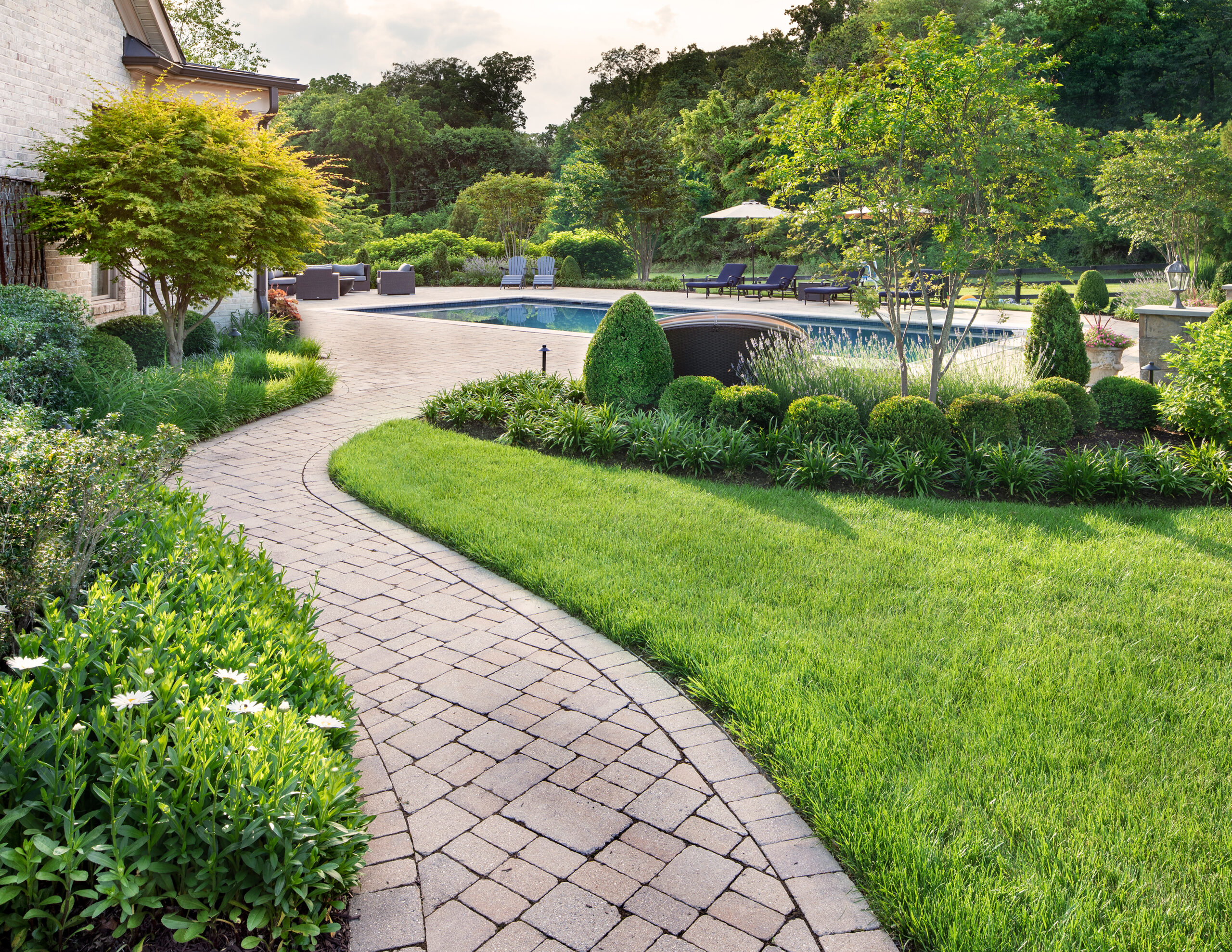
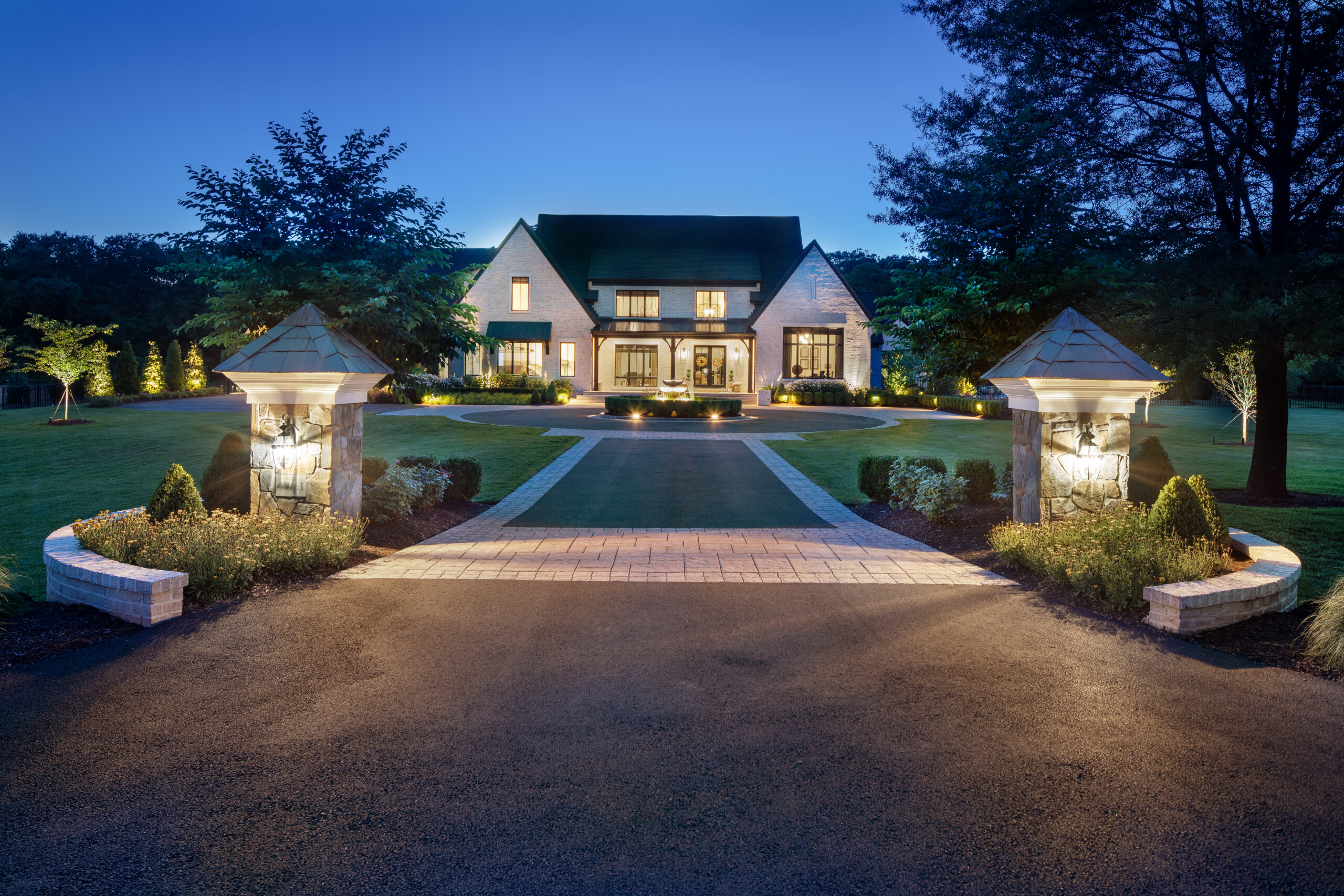
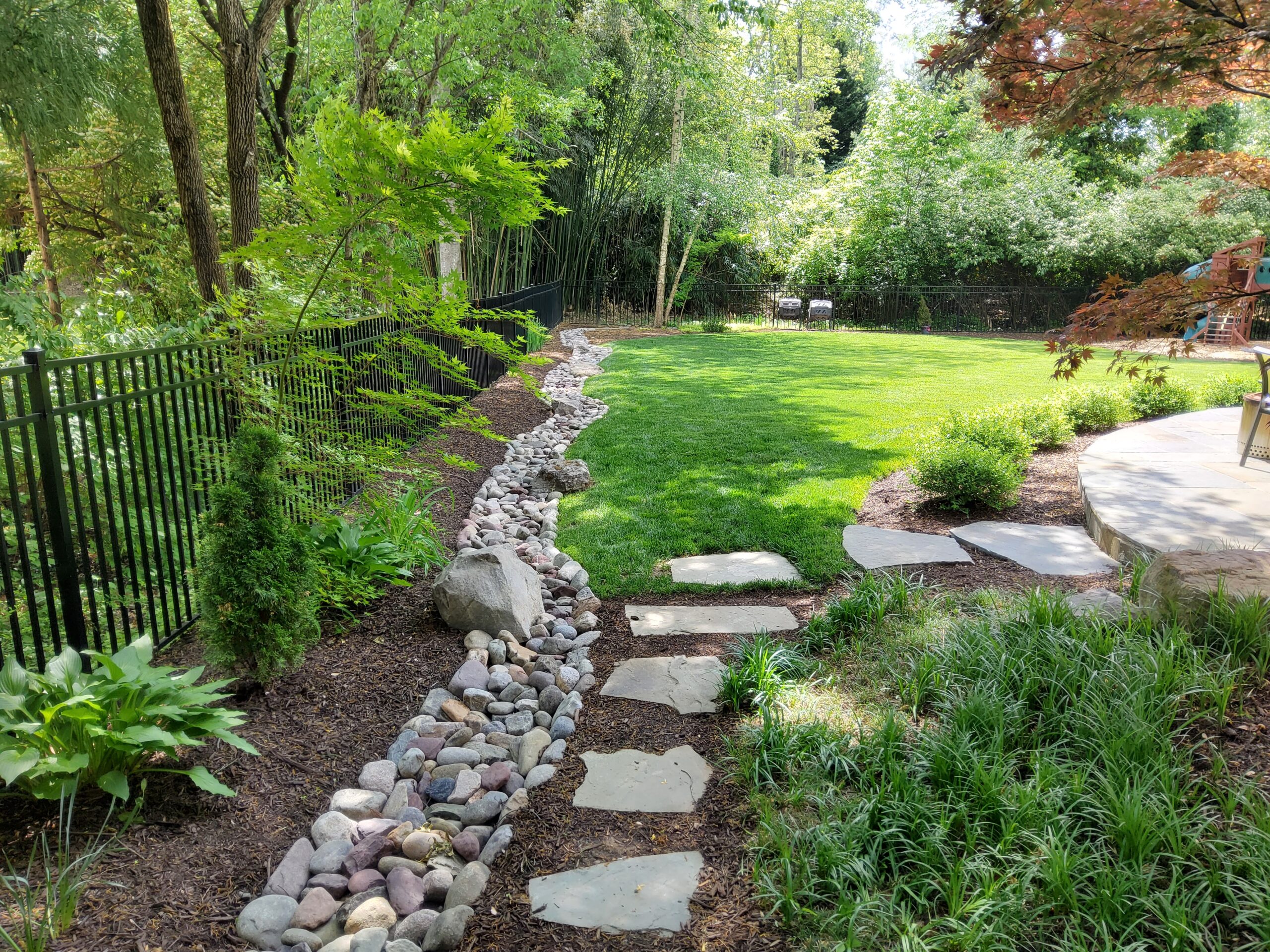
Landscaping integrates site grading, drainage, hardscaping, and planting design so your property looks cohesive and works well in all seasons. A licensed landscape architect or experienced designer produces the master
plan, coordinates materials, and ensures the built elements complement your home and lifestyle. From patios and pathways to lighting, irrigation, and water management, the landscape team orchestrates all components
into a unified space.
If you are planning a new project, start with design. A seasoned landscape architect will incorporate horticultural best practices to ensure plant selections thrive. When the plan is approved, the build team handles
construction, followed by ongoing care through professional maintenance.
If you are seeking expert concept development and construction, connecting with a trusted landscape architect can streamline the entire process.
When to call each professional
- Call a horticulturist when plants are failing, pests or diseases recur, soil conditions are uncertain, or specialized pruning is needed for high-value trees and shrubs.
- Call a landscape designer or landscape architect when you want a new patio, reimagined planting beds, better drainage, lighting, or a comprehensive master plan.
- Call a maintenance team or gardener for weekly mowing, pruning, fertilization, seasonal color, and routine bed care.
Many full-service firms combine all three, which simplifies communication and helps your landscape improve year after year. If you prefer a single point of contact for routine care, explore comprehensive landscape
maintenance to keep everything consistent and on schedule.
How this plays out on a typical Northern Virginia property
Imagine you are renovating a small backyard. A designer creates a layout that fits a compact patio, privacy screening, and curated planting beds suited to your microclimate. The horticulturist selects varieties that handle
summer heat, clay soils, and deer pressure, then sets a care plan for irrigation and feeding. The installation team builds the patio with durable materials and correct base preparation so it remains stable. The maintenance
crew handles pruning, mulching, and mid-summer adjustments to keep everything healthy. The result is a cohesive outdoor living space that looks beautiful and stays that way.
If you are in Loudoun or Fairfax and considering updates, a conversation about landscaping in Ashburn, VA can help clarify costs, timelines, and options tailored to local conditions.
Signs you may need horticultural expertise
- Repeated plant losses in the same bed despite regular watering.
- Leaf yellowing, stunted growth, or poor flowering.
- Powdery mildew, scale, or other pests that return after basic treatment.
- Soil that remains soggy or crusty, even after amendments.
- Mature shrubs that decline after pruning.
These are cues to pause routine fixes and get a diagnosis. Targeted adjustments to soil pH, drainage, irrigation scheduling, or pruning timing can turn a struggling bed into a resilient one.
Summary: choosing the right path for your property
Horticulture and landscaping are complementary, not interchangeable. Horticulture focuses on plant science and care, landscaping provides the design and construction framework that shapes your outdoor space, and
gardening delivers consistent hands-on upkeep. When you align the right expertise with your goals, you get a landscape that is beautiful, functional, and sustainable.
If you want a cohesive plan with expert plant selection and reliable upkeep, our team can help from first sketch to year-round care. Start with a consultation with a seasoned landscape architect in Virginia to explore ideas for
your property, then keep your investment thriving with a tailored maintenance program. We are dedicated to superior service, attention to detail, and landscapes that enrich your daily life.