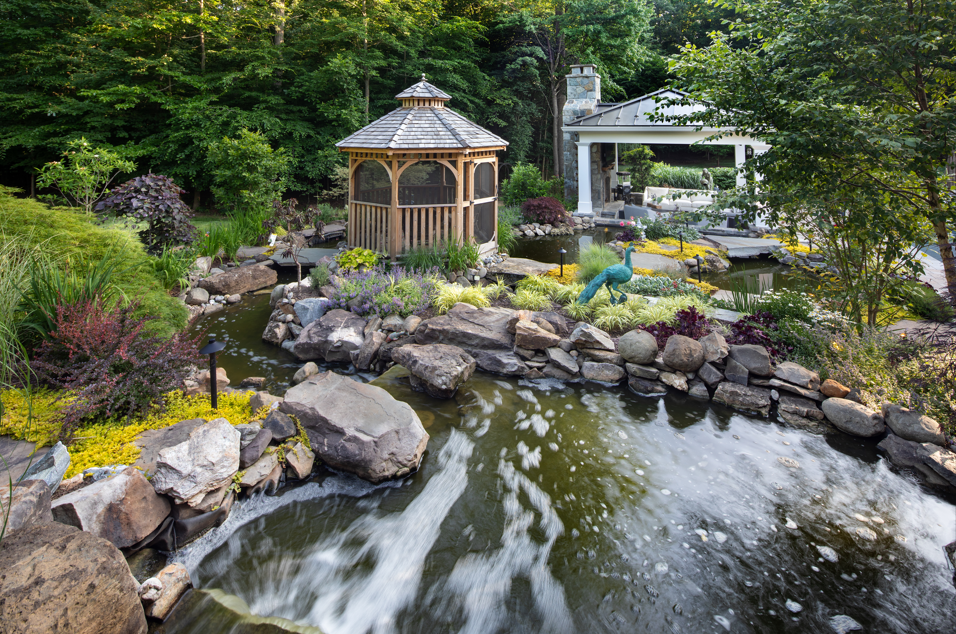
As 2025 winds down, homeowners are already looking ahead to what will shape outdoor spaces in the coming year. Gardeners are seeking landscapes that work hard, look beautiful, and stand up to changing weather. That means smarter water use, resilient plant choices, flexible outdoor rooms, and clean-lined hardscapes that still feel inviting.
At Kane Landscapes, we see trends from two angles: what clients request and what performs well in Northern Virginia’s climate. The best ideas blend design with horticultural science so your landscape thrives, not just this season, but for years.
Below, we highlight the top trends for 2026 and how to put them to work in your yard, whether you are planning a full design-build project or fine-tuning with landscape maintenance.
Climate-smart planting with native structure
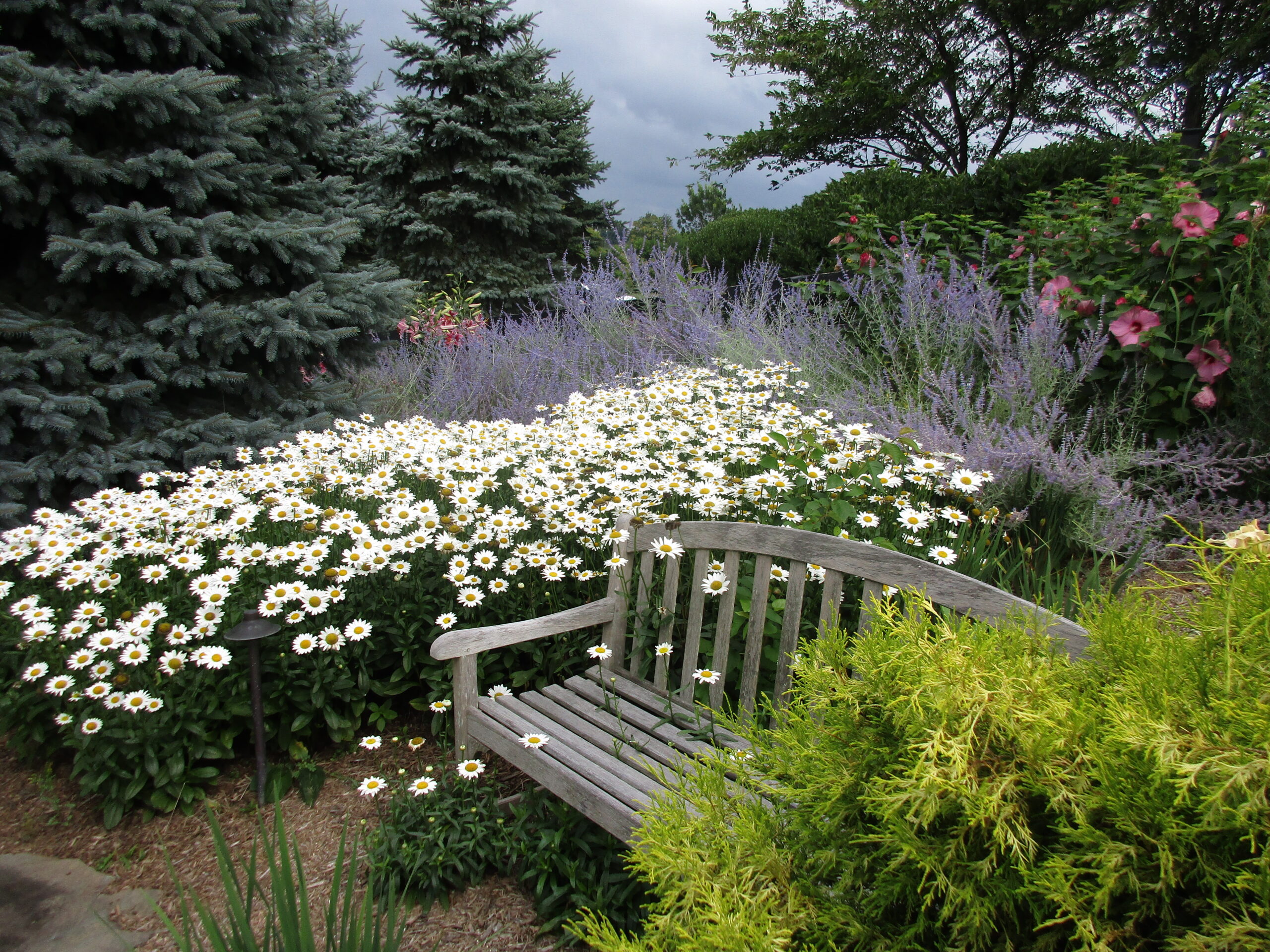
Plant palettes in 2026 favor climate-adapted structure. Think layered natives and well-behaved cultivars that deliver pollen support, seasonal color, and drought resilience. In Northern Virginia, that often includes:
-
Strong bones: oaks, American holly, and black gum for canopy and screening
-
Wildlife-forward understory: serviceberry, Eastern redbud, and winterberry
-
Long-bloom perennials: coneflower, Monarda, and coreopsis mixed with ornamental grasses
Designers are also right-sizing plants to the space to reduce pruning and water use. In small garden design, compact shrubs and columnar trees are replacing oversized selections that outgrow beds. If you are exploring ideas for limited footprints, see our guidance on landscaping for small yards to maximize seating, screening, and four-season interest without clutter.
Water-wise yards and resilient irrigation
Water stewardship will continue to drive choices. Expect homeowners to ask for:
-
Smart irrigation controllers that adjust to rainfall and evapotranspiration
-
Drip lines in plant beds to reduce evaporation
-
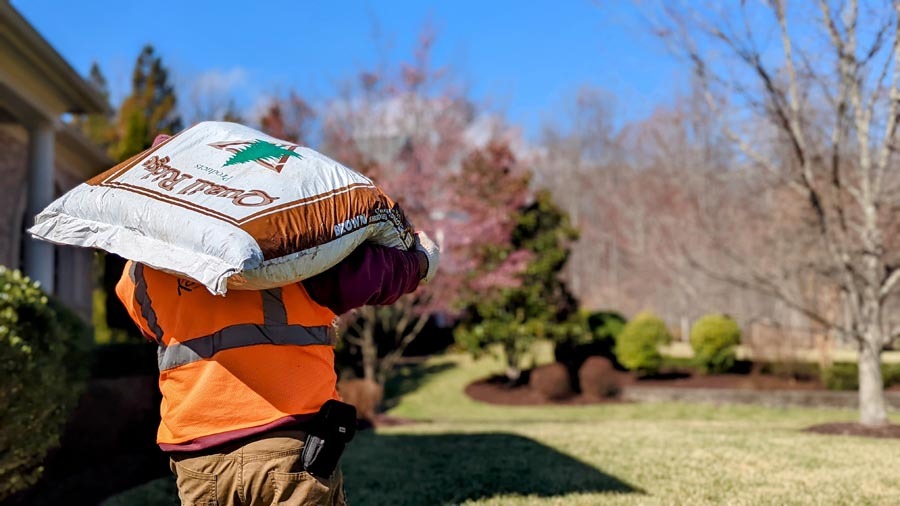
Soil-first practices, such as compost and mulch, to improve water retention
Drainage solutions are part of this trend. Regrading, French drains, dry creek beds, and river rock swales are protecting foundations and managing heavy downpours. Pairing irrigation calibration with drainage gives your new plantings a stable start and keeps established beds healthier through summer.
Multi-use outdoor rooms
Outdoor living stays strong in 2026, but the focus is flexible comfort. Families want spaces that transition from morning coffee to weekend gatherings without high upkeep. We are seeing:
-
Durable, cool-touch hardscape surfaces for patios and walkways
-
Integrated seating walls that reduce furniture needs
-
Layered lighting for safety and ambiance, including downlights and step lights
-
Fire features for shoulder-season warmth and year-round focal points
If you are considering a fire element, review examples of outdoor fire pits to understand clearances, materials, and fuel options that fit your site and use patterns.
Edible and ornamental integration
Low-profile, high-performance hardscapes
Quiet tech and data-informed care
-
App-based lighting and irrigation control for responsive adjustments
-
Battery-powered maintenance equipment for lower noise and emissions
-
Moisture and temperature sensors that guide watering and plant protection
-
3D renderings during design so you can see options before construction begins
Naturalistic water features
The role of horticultural services
How a Landscape Architect aligns these trends for Virginia
Putting trends into practice
Helpful resources on our site
-
See how thoughtful features extend your season with our portfolio of outdoor fire pits: https://kanelandscapes.com/portfolio/fire
-
Learn how consistent care protects your investment with landscape maintenance: https://kanelandscapes.com/landscape-maintenance
-
Discover strategies that make the most of compact footprints in landscaping for small yards: https://kanelandscapes.com/small-yard-landscapes
-
Explore how a Landscape Architect approaches design in Virginia: https://kanelandscapes.com/landscape-design